
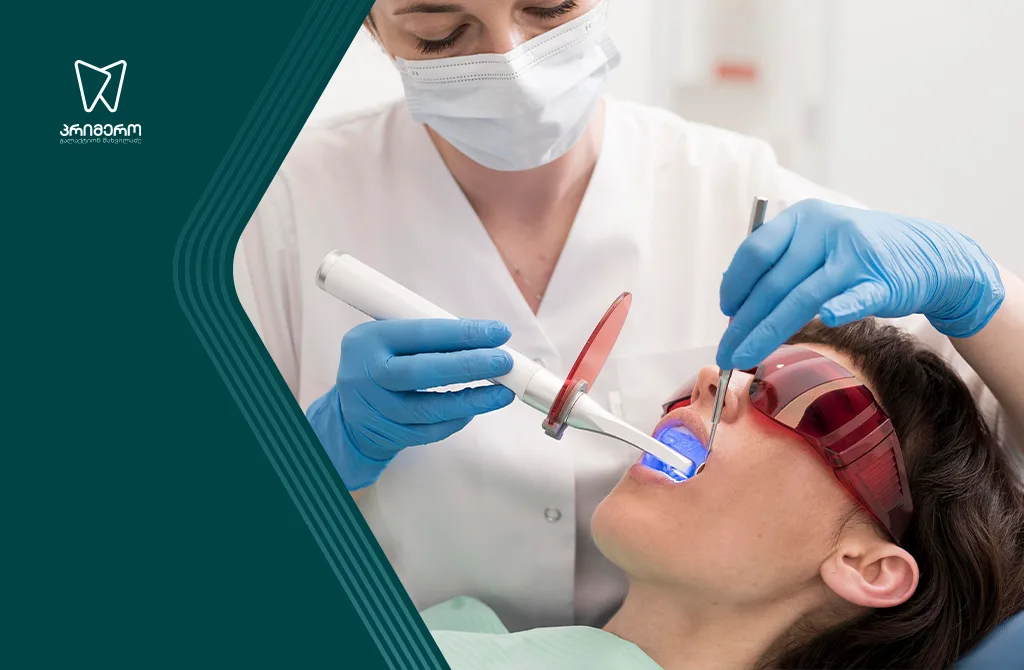
Getting a dental filling is one of the most common procedures in dentistry. It is necessary when a tooth has been damaged by decay or fractured and requires restoration. A filling helps preserve the structural integrity of the tooth, restores its natural function, and improves its appearance. It is crucial to have a filling placed promptly — or to replace a damaged one without delay — because ignoring the issue can lead to a variety of serious dental complications.
In this article, we will explain exactly what a dental filling is, how the procedure works, and how to know when it is time to have one replaced.
What is a Dental Filling?
A dental filling is a specialized, high-tech material used to restore the structure and function of a tooth while providing essential protection. The procedure is performed when a tooth is compromised by issues such as cavities, fractures, the failure of an old filling, or general wear and tear. It restores the tooth both structurally and aesthetically.
There are two primary types of fillings:
- Temporary Fillings: This is a short-term restoration placed on a tooth during an ongoing treatment plan, before the final, permanent restoration is ready. Its main purpose is to protect the tooth and maintain its structure between visits. Placing a temporary filling is a fast and simple procedure, and the materials are highly affordable since they are not designed for long-term use;
- Permanent Fillings: This is a stable, long-lasting restoration that partially or fully covers the tooth, restoring its structure, function, and aesthetics. A permanent filling provides durability, protects the tooth from future fractures, cracks, or decay, and completely restores its natural appearance. Because the patient will rely on this restoration for years, it is imperative that permanent fillings are made from exceptionally high-quality materials.
Signs It’s Time to Replace Your Dental Filling
Even the highest quality fillings can sustain damage or wear out over time. Dentists highly recommend that patients have their fillings regularly evaluated to ensure timely replacement and prevent severe complications.
Here are the primary signs you should look out for:
- A Lost or Dislodged Filling: A filling can completely or partially fall out. When this happens, the underlying tooth is left entirely unprotected, drastically increasing the risk of infection, severe decay, or subsequent gum issues;
- Dark or Brown Spots: If your filling changes color or if dark spots appear around it, it is a strong indicator that it needs to be replaced. These changes are typically caused by bacterial leakage, secondary cavities, or material degradation;
- Cracks or Fractures: Fillings can crack or break due to biting down on hard foods, physical trauma, or natural wear and tear from years of use. A compromised filling creates a gateway for bacteria, raising the risk of an internal tooth infection;
- Pain or Sensitivity: If you experience pain in a filled tooth — especially when consuming hot or cold foods and beverages — or if you notice redness and swelling in the surrounding gums, you should consult your dentist immediately;
- Worn or Compromised Margins: Over time, the edges where the filling meets the tooth can break down or pull away. This creates a trap for food particles and bacteria, significantly increasing the likelihood of further tooth decay and infection beneath the filling.
Typically, a dentist easily identifies these warning signs during a routine check-up or another dental procedure. However, patients should also stay vigilant and take prompt action if they notice any of these symptoms.
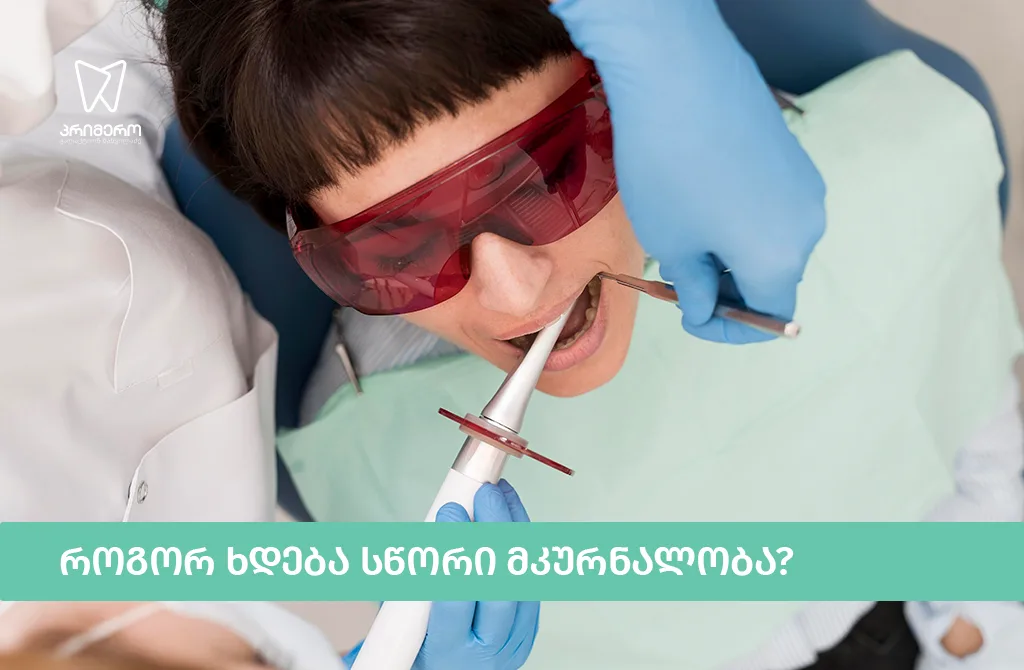
The Proper Treatment Process
The longevity and effectiveness of a dental filling depend heavily on a properly executed treatment plan. The process involves several key stages:
- Consultation: The first and most critical step is consulting an experienced dentist. A skilled professional will assess the condition of your tooth, determine the severity of the issue, and recommend the optimal treatment method. During the consultation, your dentist should explain each step, present any available alternatives, and help you make an informed decision;
- Selecting the Right Material: It is essential to choose a filling type that meets your individual needs. The dentist will consider the size, shape, and color of the tooth to ensure the final result looks entirely natural;
- Care and Monitoring: The lifespan of your filling depends largely on how well you maintain it and how consistently it is monitored. Visit your dentist every 6 to 12 months for a comprehensive oral health evaluation. Additionally, be mindful when eating hard foods, avoid putting excessive pressure on the restored tooth, and maintain excellent daily oral hygiene;
- Timely Intervention: If you notice any defects in your filling, or if you experience discomfort or pain, contact your dentist right away. Addressing the problem early makes it much easier to resolve and prevents unnecessary complications.
Modern Possibilities in Restorative Dentistry
Today, there is a vast selection of dental filling materials available. However, it is crucial to visit a trusted dental clinic where you can be confident in the quality of those materials. High-quality materials dictate not only the aesthetic outcome but also the durability of the filling and the prevention of future issues.
As for the procedure itself, modern dentistry ensures it is entirely safe and painless. Of course, this depends heavily on the dentist’s expertise and the clinic’s resources. Fillings are performed under local anesthesia, guaranteeing maximum comfort for the patient. Furthermore, modern dental equipment and digital technologies, such as CAD/CAM systems, allow for incredibly precise planning and execution.
It is equally important to choose a clinic that utilizes a multidisciplinary approach. During a filling or any restorative procedure, the need for another specialist’s input (like an endodontist or periodontist) may arise, and having them on-site ensures seamless care.
Ultimately, remember that nearly all dental complications can be avoided if you maintain excellent oral hygiene, seek timely medical attention, and entrust your health to proven professionals.